I grew up in Ukraine. In my twenties I worked in retail category management at Eldorado and Foxtrot — the two largest consumer electronics chains in the country at the time — running buying and merchandising for categories that moved millions in annual revenue. I learned how large organizations actually function, which is usually quite differently from how they describe themselves in presentations.
Then I moved into building. I joined a friend who had founded Royal Bag, an e-commerce company selling bags and accessories, and came on as an operator helping scale it. We launched Blamont, our own private-label line of leather bags designed in-house and manufactured in Ukraine, sold through our e-commerce platforms and partner channels. I also co-founded Elektrokarniz, a smart-home automation business that introduced me to hardware constraints in a way software people rarely encounter. Both ventures were bootstrapped and profitable — no venture capital, no runway to burn. None of it made me rich, but it taught me what it costs to acquire a customer, what it means when a supplier misses a shipment, and what you do when payroll is due and the receivables aren't in.
I left Ukraine at 32 with my family, functional English, no American professional network, no established credentials, and $2,000 in cash — barely enough to cover a month's rent. The first job I found was as a package handler at FedEx, sorting freight at 4 a.m. Six months later I was the facility's Operations Manager.
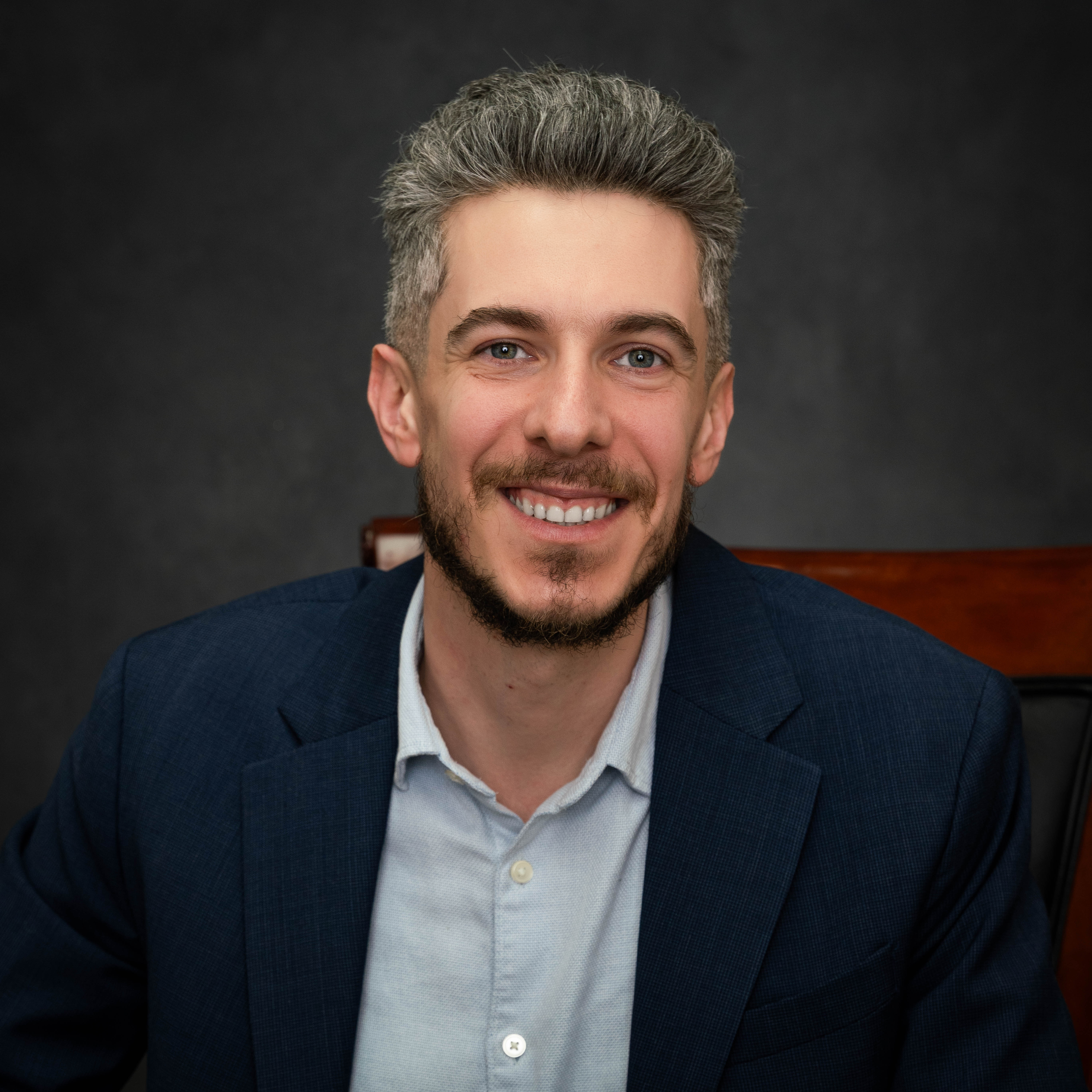
Volod Reznichenko
volod.me
I joined Because Health, a longevity-focused healthcare startup, as the fourth hire leading marketing. The clientele had money — affordability wasn't the problem. What I saw instead was how dysfunctional American healthcare is even for people who can pay for it: doctors who don't listen, protocols followed blindly, unnecessary medications prescribed by default. The system optimizes for throughput, not for the patient in front of you. That gap has stayed with me.
Hearst came next. I joined to build the experimentation practice across the magazine portfolio — A/B testing, conversion optimization, and the analytical infrastructure underneath it. We now run hundreds of tests a year across properties that collectively reach tens of millions of readers. In 2025 I received the Hearst Award, which the company gives for demonstrated impact. I'm proud of it, though the work I'm most proud of is harder to put in an award citation: changing how editorial teams think about evidence.